
Just a Tuesday in Aviation
It was supposed to be simple: a one-day trip in which I commuted out of South Florida into the New York area, where the airplane was waiting.

It was supposed to be simple: a one-day trip in which I commuted out of South Florida into the New York area, where the airplane was waiting.
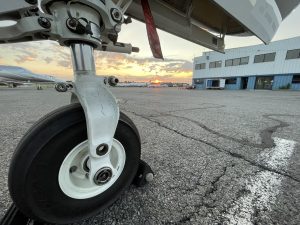
Effective aviation safety depends on more than training. It depends on acting on that training when conditions change. Two recent experiences with deteriorating weather and unstable approaches reinforced the importance of sound aeronautical decision-making, timely go-arounds, alternate planning, and structured risk-management procedures. When the pressure to complete a mission conflicts with the safest option, disciplined processes can help pilots recognize the risk and confidently choose Plan B.

Rising FBO fees are changing the economics of operating an aircraft for business and personal travel. Consolidation, limited airport space, and increasingly complex fee structures can significantly increase the cost of aircraft ownership and operation, particularly for smaller operators. This article examines how escalating FBO costs affect aircraft owners and flight departments, the competitive barriers that contribute to the problem, and why greater access and competition at airports are essential to maintaining a healthy general aviation industry.
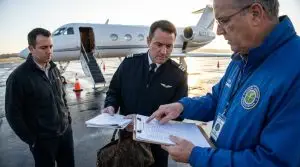
Guide to avoiding sham lease exposure in Part 91 dry lease operations. Learn operational control requirements, documentation standards, and FAA inspection best practices.

Discover critical pitfalls in private aircraft management including regulatory compliance, hidden costs, and safety standards. Protect your operations and finances.
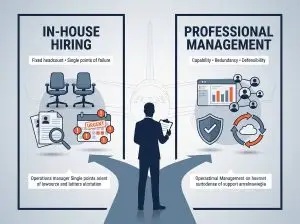
Learn how a small Part 91 operator scaled from manual systems to professional flight management, eliminating compliance gaps and crew scheduling conflicts.